Films that earned their applause
AwardStreams: acclaimed films in Italian, Spanish and German, from Il Sorpasso, My Friends and La Notte to Son of the Bride, Truman, A Coffee in Berlin and Under the Same Moon, and where to watch them
173 films from Italy, Spain, Latin America and the German-speaking countries, 1951 to 2026, each scored 6.6 or higher by its audience.
The honours list
Full list → 7.8Fantozzi: White Collar Blues1975 · Luciano Salce
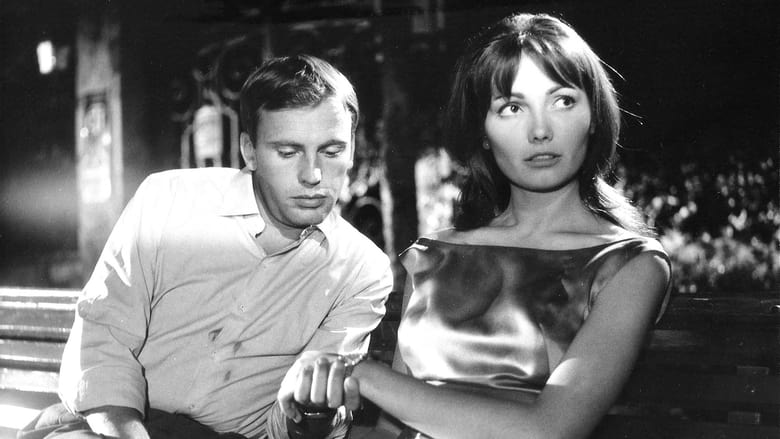 8.2Il Sorpasso1962 · Dino Risi
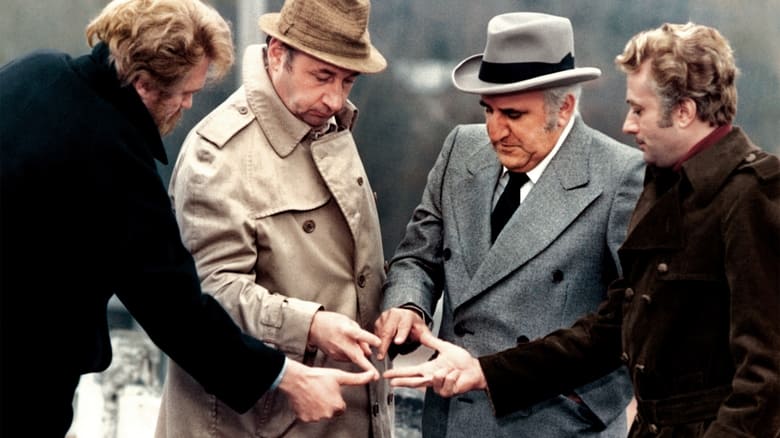 8.1My Friends1975 · Mario Monicelli
Italy
Full list →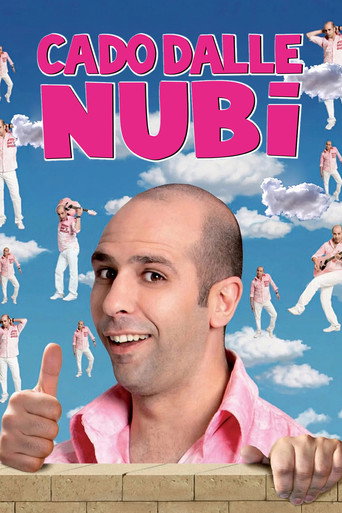 6.7
6.7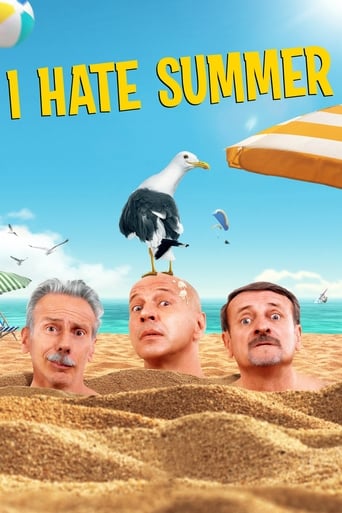 7.0
7.0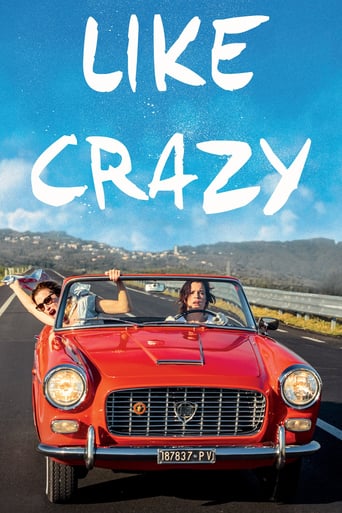 7.4
7.4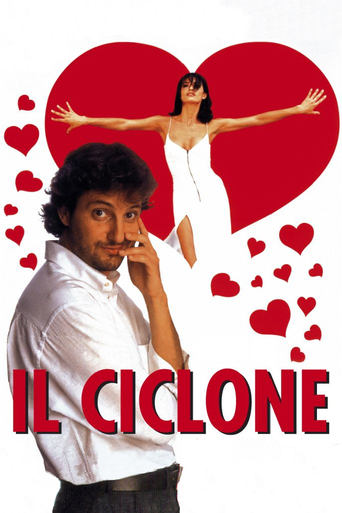 6.9
6.9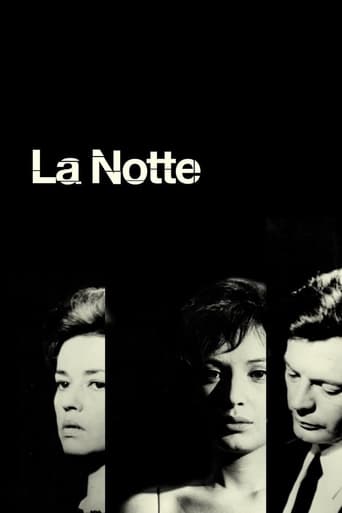 7.9
7.9 7.4
7.4 7.0
7.0 6.8
6.8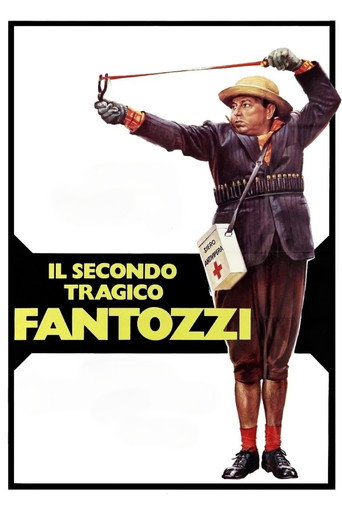 7.5
7.5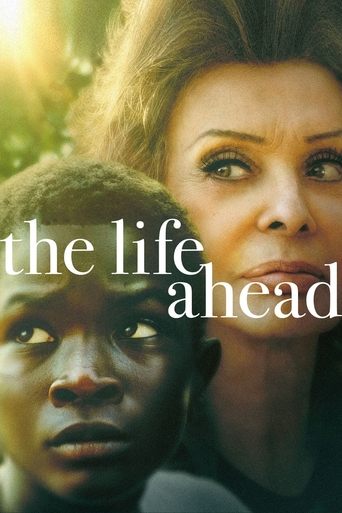 6.7
6.7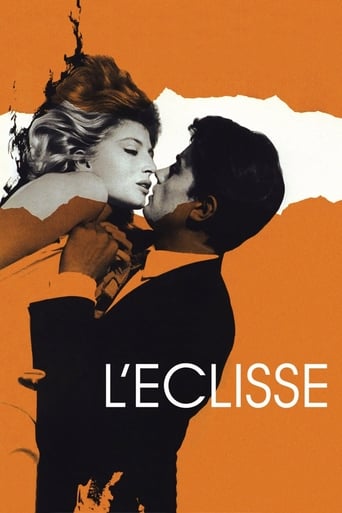 7.6
7.6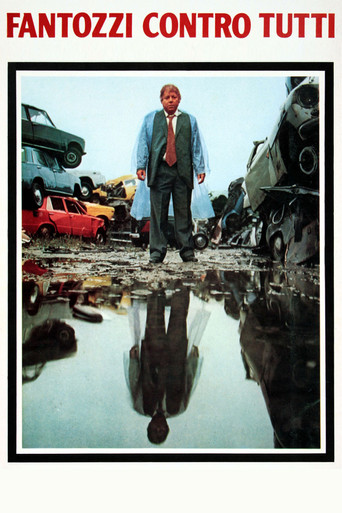 6.7
6.7Spain
Full list →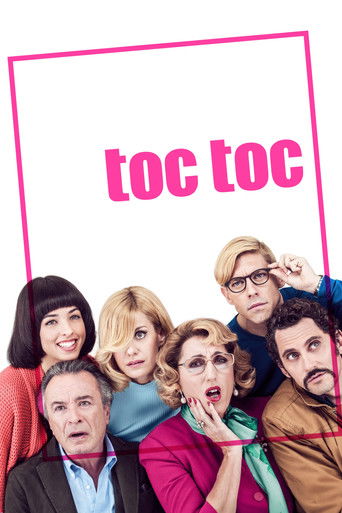 7.1
7.1 7.2
7.2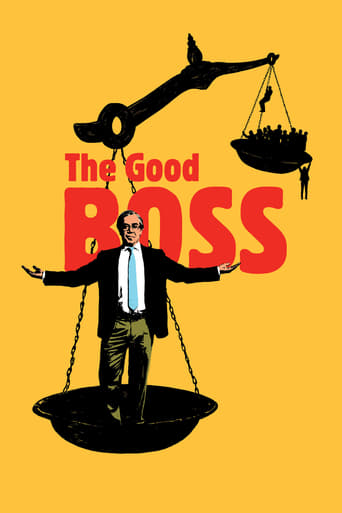 6.9
6.9 6.8
6.8 7.5
7.5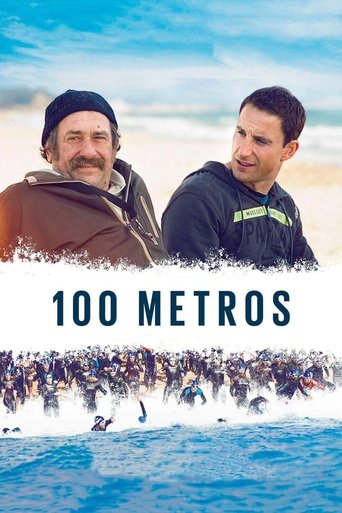 7.4
7.4Latin America
Full list →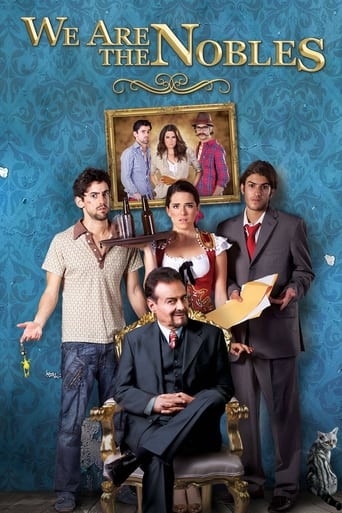 8.0
8.0 6.6
6.6 7.3
7.3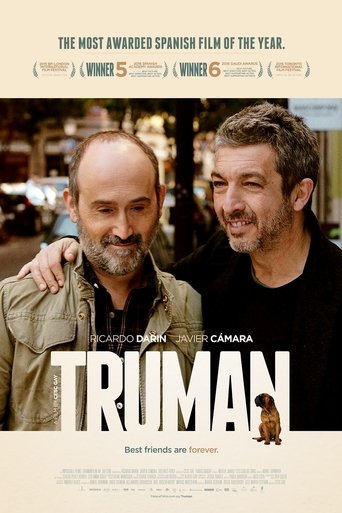 7.0
7.0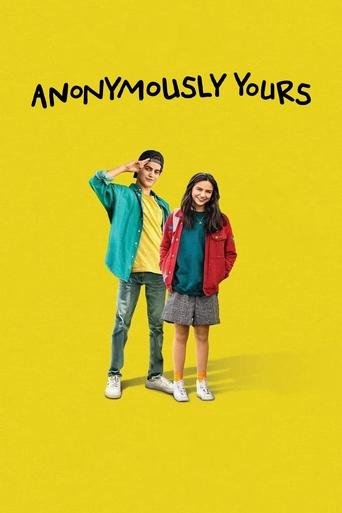 7.5
7.5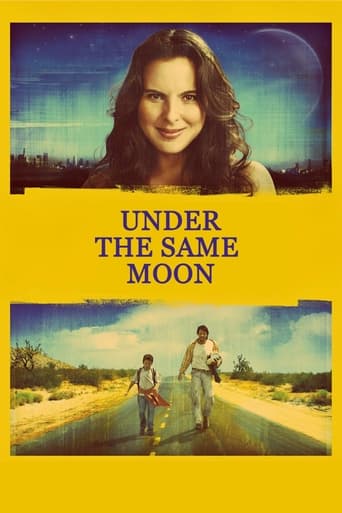 8.0
8.0Germany, Austria and Switzerland
Full list → 6.9
6.9 7.0
7.0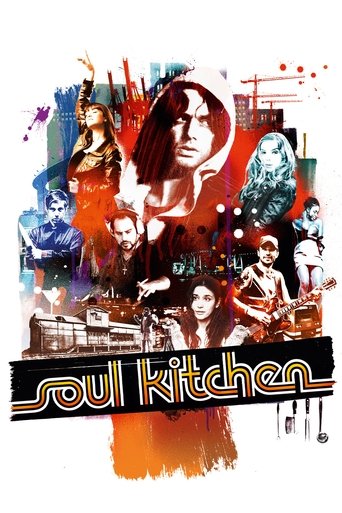 6.9
6.9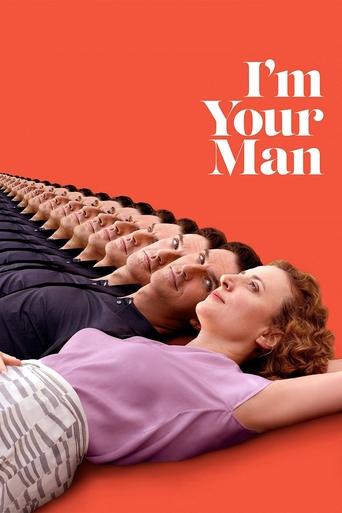 6.7
6.7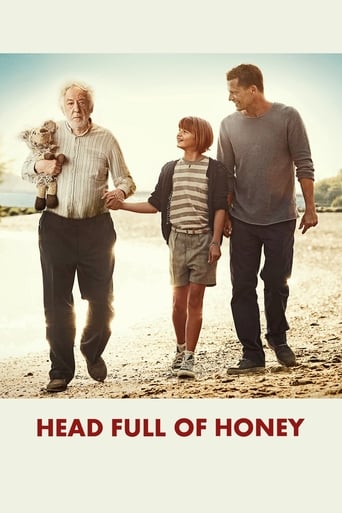 7.3
7.3 7.1
7.1Classics before 1980
Full list → 8.4
8.4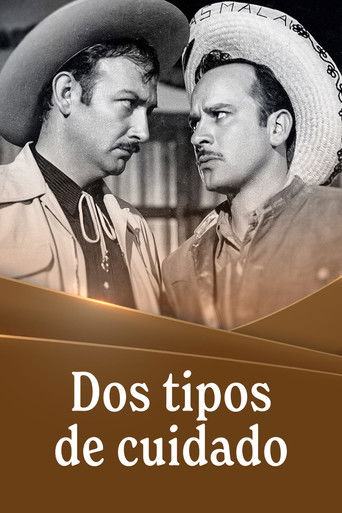 8.4
8.4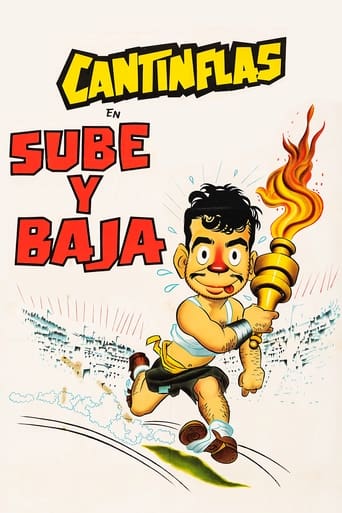 8.1
8.1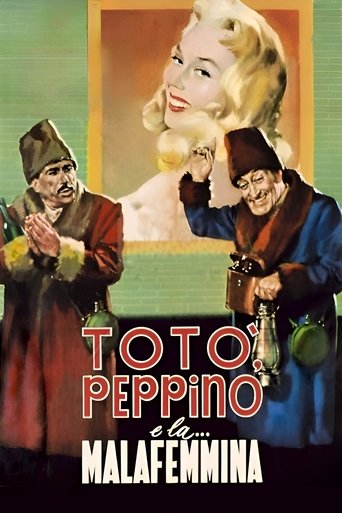 8.0
8.0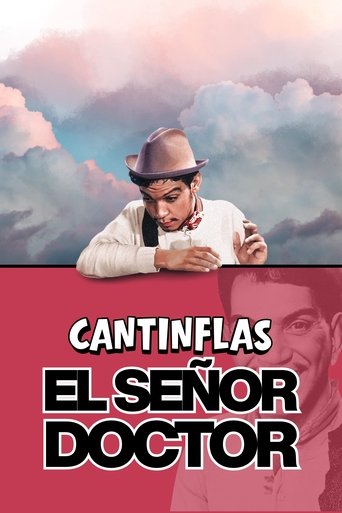 8.0
8.0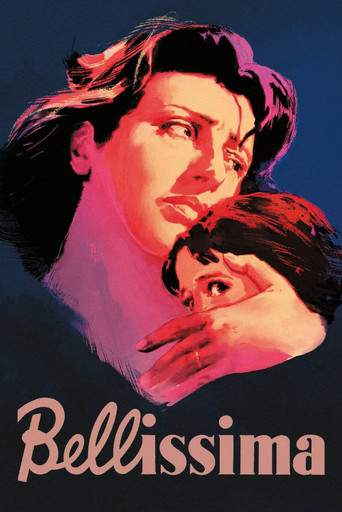 7.8
7.8Roll of honour
The twenty highest audience scores on AwardStreams.
- A Poet20258.8
- ¿Quieres ser mi novia?20268.6
- The Thin Yellow Line20158.5
- Full Spead Ahead19518.4
- Dos tipos de cuidado19538.4
- What a Father!20228.3
- Il Sorpasso19628.2
- Up and Down19568.1
- My Friends19758.1
- Ya veremos20188.1
- Toto, Peppino, and the Hussy19568.0
- El señor doctor19658.0
- Atacama's 3320118.0
- We Are the Nobles20138.0
- Under the Same Moon20078.0
- La Notte19617.9
- You've Got This20207.9
- The Marquis of Grillo19817.8
- Bellissima19527.8
- Mexico 8620267.8
Acclaimed films for the whole household: the AwardStreams guide
AwardStreams: acclaimed films in Italian, Spanish and German, from Il Sorpasso, My Friends and La Notte to Son of the Bride, Truman, A Coffee in Berlin and Under the Same Moon
Some films are praised on the night they open and forgotten by the following spring. Others go on being watched, recommended and argued about for decades, and it is those that deserve the word acclaimed. AwardStreams is a guide to 173 such films in three of the great languages of European and Latin American cinema: 77 in Italian, 63 in Spanish, from Spain, Mexico, Argentina and their neighbours, and 33 in German. They were made between 1951 and 2026. Each has its own page, with its story, its director and cast, its audience score, and a Watch now button that leads to the official services carrying it in your country.
One simple rule governs the selection. Every film here holds an audience score of 6.6 or higher out of ten on TMDB, from at least sixty viewers, and most stand well above seven. Many have also been honoured by juries, at Cannes, Venice and Berlin, at the national film awards of Italy, Spain and Germany, and at the Academy Awards, and this guide mentions those honours where they are well known. But the measure that decides a place on AwardStreams is the verdict of the people who watched.
The catalogue has been chosen for the whole household. Each film was read through by hand, and the selection favours comedies, family dramas, love stories, films about music and work, and the gentler classics. Crime stories, horror, films of the battlefield and titles made strictly for adults were left out. What remains is a collection that a family can explore together, and that an adult curious about the cinema of Rome, Madrid, Buenos Aires, Mexico City or Berlin can use as a first map.
This guide walks through the four regions in turn, then through the lists, and ends with a plan for a first month and a short set of questions and answers. Every film named here has a page on AwardStreams, and a click on its title opens that page.
How the scores work
The number in the small gold label on every poster is the audience score: the average of the ratings given to the film by viewers on TMDB, on a scale from one to ten. A score above seven is good; above seven and a half is excellent; above eight is rare. Forty-one films on AwardStreams score 7.5 or higher, and they are gathered in the Top rated list. The Roll of honour on the home page names the twenty highest of all.
A word of caution is in order, because scores are a guide, far from a law. Older films tend to be rated by people who sought them out, and so score a little higher than new releases that everyone has seen. Comedies are marked more severely than dramas almost everywhere. And a film with eighty ratings is less settled than one with two thousand. The scores are best used as the opening of a conversation: a way of deciding what to try tonight, to be tested against your own taste.
The collection spans seven decades. Thirty-six films date from before 1980, 20 from 1980 to 1999, 29 from 2000 to 2012, 42 from 2013 to 2019 and 46 from 2020 onwards. By kind, 116 are comedies and 107 dramas, with many counted as both; 60 concern family life, 43 are love stories and 23 turn on music. The home page presents them by country, with a row each for Italy, Spain, Latin America and the German-speaking lands, and a further row for the classics.
Italy: the golden age
Italian cinema between the end of the Second World War years and the middle of the 1970s was, by common consent, one of the richest in the history of the art, and 36 of the films on AwardStreams come from before 1980. The comedies of that period have a name of their own, comedy in the Italian style: funny, fast, and always close to a bitter truth about the country that was growing rich around them.
Il Sorpasso is the masterpiece of the form. On a deserted August holiday in Rome, Bruno, a loud and charming idler in a sports car, played by Vittorio Gassman, persuades a shy law student, played by Jean-Louis Trintignant, to come for a drive. The drive lasts two days and goes up the coast through seaside towns, family lunches and dance floors, and the student, who began as an unwilling passenger, starts to wonder whether Bruno's way of living might be the right one. Dino Risi's film of 1962 is the great portrait of Italy in its boom years, and its ending is famous; it is a film for older children and adults.
Mario Monicelli, the most prolific of the comedy masters, is here with five films. My Friends follows five middle-aged Florentines who have been friends since school and who escape their jobs and families to play elaborate practical jokes, which they call gypsy outings; it is hilarious and, underneath, a film about the fear of growing old. For Love and Gold sends a ragged band of medieval adventurers, led by Gassman as a boastful knight, across a comic Italy of the year 1000, speaking an invented mock-antique dialect that Italians still imitate. The Marquis of Grillo, which won him the prize for best director at Berlin, has Alberto Sordi as a Roman nobleman of 1809 who passes his days playing tricks on the Pope's court. Toto and the Kings of Rome pairs the two greatest Italian comedians, Totò and Sordi.
Luigi Comencini made Bread, Love and Dreams, the enormously popular comedy of 1953 in which Vittorio De Sica, as a middle-aged police marshal posted to a mountain village, is enchanted by a barefoot local beauty played by Gina Lollobrigida; it won a prize at Berlin and was followed by Frisky and by Scandal in Sorrento, in which Sophia Loren takes over. His Misunderstood, from 1967, is something quite different, a delicate drama about two small brothers and their father, a diplomat in Florence. Dino Risi's The Sign of Venus, Ettore Scola's adventure with the unforgettable long title Will Our Heroes Be Able to Find Their Friend Who Has Mysteriously Disappeared in Africa?, and Luigi Zampa's Be Sick… It's Free and A Girl in Australia, both with Sordi, complete the picture, together with An American in Rome, in which Sordi plays a young Roman so in love with America that he douses his spaghetti in milk and mustard.
Beside the comedies stand the quieter classics. Bellissima, by Luchino Visconti, gives Anna Magnani one of her greatest roles as a working-class mother who is determined that her small daughter will win a film studio's contest. Il Posto, by Ermanno Olmi, follows a boy from the outskirts of Milan through the examination, the waiting and the first day of his first office job; it is tender, exact and gently funny, and it won the critics' prize at Venice. I Knew Her Well is a portrait of a young woman from the provinces drifting through the Rome of the 1960s, and Girl with a Suitcase gave Claudia Cardinale her first great part. The Boom, by Vittorio De Sica, is a satire on the price of keeping up appearances, and Toto, Peppino, and the Hussy contains the most quoted comic scene in Italian film, in which two country brothers dictate a letter.
Fellini and Antonioni
Two directors of that age became known in every country. Federico Fellini has five films here, from the second half of his career. Juliet of the Spirits, his first feature in colour, was made for his wife, Giulietta Masina: a quiet wife in a seaside villa begins to see visions, and through them finds her own voice. It is a festival of costume and design. Orchestra Rehearsal is a short fable in which a rehearsal in an old chapel slides into disorder. And the Ship Sails On sets a party of opera lovers afloat in 1914 to scatter the ashes of a great soprano, on a sea made openly of plastic sheeting. Ginger and Fred reunites Masina and Marcello Mastroianni as two elderly dancers invited to perform once more on a garish television show, and is the warmest of his late works. The Voice of the Moon was his farewell.
Michelangelo Antonioni is the opposite temperament: cool, exact, concerned with silence and space. Il Grido follows a workman wandering the misty plain of the Po with his small daughter. La Notte, which won the highest prize at Berlin in 1961, spends a day and a night with a Milanese writer and his wife, played by Mastroianni and Jeanne Moreau, as they understand what has become of their marriage. L'Eclisse, with Monica Vitti and Alain Delon, was honoured at Cannes, and its final minutes, in which the camera returns to a street corner where two people had promised to meet, are among the most discussed in cinema. These are films for patient adult viewers, and they repay patience.
Italy: the popular tradition and today
Italian audiences have always had their own favourites, and AwardStreams includes the films that Italians actually quote. Fantozzi: White Collar Blues introduced, in 1975, the most famous clerk in Europe: Ugo Fantozzi, accountant, crushed by his employers, his colleagues, his tiny car and the weather, and played by his creator Paolo Villaggio. The Second Tragic Fantozzi and Fantozzi Against the Wind continue his misfortunes. Adriano Celentano, singer and comedian, stars in The Taming of the Scoundrel as a grumpy farmer who meets his match, and in Madly in Love as a Roman bus driver who falls for a visiting princess. Carlo Verdone directs and plays in Talcum Powder and Compagni di scuola, the second a bittersweet school reunion. Bud Spencer and Terence Hill fly a battered aeroplane over the Amazon in All the Way Boys.
The generation that followed has its own stars. The Cyclone was the comedy sensation of 1996: a troupe of flamenco dancers is stranded at a farmhouse in Tuscany, and the bookkeeper son of the family is changed for good. Cado dalle nubi was the first film of Checco Zalone, now the most successful comedian in Italian box-office history, as a singer from Puglia who goes north. 7 and 8 has two men discover that they were exchanged at birth, and I Hate Summer puts three very different families in the same holiday house by mistake. Mixed by Erry tells the true and very funny story of three brothers from Naples who, in the 1980s, turned a knack for making cassette compilations into an empire.
The serious modern cinema is just as rich. Like Crazy, by Paolo Virzì, follows two women who slip away from a therapeutic community in Tuscany for an afternoon of freedom; it won the Italian film award for best picture, and Valeria Bruni Tedeschi and Micaela Ramazzotti are superb. Mia Madre, by Nanni Moretti, is about a film director whose mother is dying while a difficult American actor wrecks her set. Moretti's earlier Palombella rossa takes place almost entirely during a water polo match. Reality, by Matteo Garrone, won the Grand Prix at Cannes for its story of a Neapolitan fishmonger who becomes convinced that television is about to choose him. Martin Eden moves a classic novel about a self-taught writer to Naples, and its leading actor was named best actor at Venice.
Everybody's Fine, by Giuseppe Tornatore, sends an elderly Sicilian widower, played by Mastroianni, up the peninsula to surprise his five grown children. The Family, by Ettore Scola, tells eighty years of Italian life while staying inside a single Roman apartment, and was nominated for an Academy Award. Ciao, Professore! puts a teacher from the north in charge of a class of irrepressible children near Naples. Mid-August Lunch is a small miracle: a middle-aged man looking after his mother finds himself, over the holiday, host to three more elderly ladies, and cooks for them all. Facing Windows and Saturn in Opposition are two much loved films by Ferzan Özpetek about friendship and memory in Rome.
For family viewing, Red Like the Sky is the true story of a boy who loses his sight in the 1970s and, at a school in Genoa, discovers a gift for telling stories in sound. We Can Do That is about a trade unionist who helps the members of a cooperative of former psychiatric patients start a real business laying wooden floors, and it is both funny and inspiring. 18 Presents is drawn from the true story of a mother who left a birthday gift for each year of her daughter's childhood. As Needed pairs a chef with a hot temper and a young cook with Asperger syndrome, The Music of Silence recounts the youth of the tenor Andrea Bocelli, and Gloria! imagines the girls of a Venetian music school in 1800 inventing a new kind of song.
Spain
Seventeen films come from Spain, and several carried off the Goya, the country's highest film award, for best picture. Truman did so in 2016. Julián, an actor in Madrid, is gravely ill and has decided to stop his treatment; his oldest friend, Tomás, flies in from Canada for four days. They visit a bookshop, a vet and Julián's son in Amsterdam, and above all they try to find a new home for Truman, Julián's elderly dog. Ricardo Darín and Javier Cámara play the friends, and the film is as light, dry and funny as its subject is grave.
Mondays in the Sun won the same prize in 2003. A group of shipyard workers in a northern port, laid off when the yard closed, spend their days on the ferry and in a bar, keeping one another's spirits up; Javier Bardem leads a wonderful cast. The same director, Fernando León de Aranoa, made The Good Boss, in which Bardem is the genial owner of a factory that makes scales and will do anything to win a prize for business excellence. It took the Goya for best film in 2022. Living Is Easy with Eyes Closed, the winner in 2014, is set in 1966: a schoolteacher who uses the songs of the Beatles to teach English drives to Almería in the hope of meeting John Lennon, who is making a film there, and gives lifts to two young runaways.
Blancanieves is a marvel: the story of Snow White told as a silent film in black and white, set among the bullrings of Andalusia in the 1920s, with a flamenco score. It too won the Goya for best film. El Sur, by Víctor Erice, is one of the most admired Spanish films ever made, the memory of a girl in the north of Spain who slowly comes to understand her father and the south he left behind; his Close Your Eyes, forty years later, is about a film director searching for an actor who vanished.
The lighter Spanish films include Toc Toc, a comedy set in the waiting room of a psychologist who is running very late, where six patients with six different compulsions must keep each other company; Crazy About Her, a romance between a journalist and a young woman he meets for one perfect night; Live Twice, Love Once, in which a retired professor of mathematics sets off with his granddaughter to find his first love before his memory fades; 100 Meters, the true story of a man who answers a diagnosis of multiple sclerosis by training for a triathlon; and Love, Divided, a comedy of two neighbours who fall for each other through a thin wall. Official Competition is a satire on film-making itself, with Penélope Cruz as a celebrated director and Antonio Banderas as a star.
Latin America
Forty-six films come from Latin America, most from Mexico and Argentina. Argentina first. Son of the Bride, by Juan José Campanella, was nominated for the Academy Award for best foreign film. Rafael runs the restaurant his parents founded and has time for nobody; then his father announces that he wants to give Rafael's mother, whose memory has gone, the church wedding she always wished for. Ricardo Darín is at his best, and the film moves between laughter and tears with complete assurance. Campanella's The Weasel's Tale is a sly comedy about four veterans of the film business sharing an old mansion.
Chinese Take-Away has Darín as a solitary ironmonger in Buenos Aires who collects absurd news stories and who finds himself, quite against his will, giving shelter to a young Chinese man who speaks only Mandarin. The Distinguished Citizen follows a Nobel laureate back to the small town he left forty years before, where he is made an honorary citizen and soon wishes he had stayed away; its star was named best actor at Venice. The same directors made My Masterpiece, about a gallery owner and his impossible painter friend. A Place in the World, which won the top prize at San Sebastián, is a boy's memory of his idealistic parents in a remote valley. Valentin is seen through the eyes of a nine-year-old in 1969 who wants to be an astronaut and to find a wife for his father. Inseparables, Goyo and The Heart Knows are warm recent dramas by Marcos Carnevale.
Mexico and beyond
Mexican cinema had a golden age of its own in the 1940s and 1950s, and its two greatest stars are here. Pedro Infante, singer and idol, appears in Dos tipos de cuidado, a ranch comedy with songs in which he shares the screen with his great rival Jorge Negrete, and in Full Spead Ahead, about two friends who join the motorcycle squad of the traffic police. Mario Moreno, known to the world as Cantinflas, the quick-tongued little man in the low-slung trousers, stars in Si yo fuera diputado, Up and Down, El bolero de Raquel and El señor doctor; and Cantinflas tells the story of his rise.
The modern Mexican film that travelled furthest is Under the Same Moon. Carlitos, aged nine, lives with his grandmother while his mother works in Los Angeles to send money home; every Sunday she telephones him from the same street corner. When the grandmother dies, he sets out alone to cross the border and find that corner. It is a film that leaves few viewers dry-eyed, and a fine one for families with older children. The Thin Yellow Line, which has the highest score of the recent Mexican titles, follows five men hired to paint the centre line on two hundred kilometres of road, and the friendships that form along the way.
We Are the Nobles was a phenomenon: a wealthy widower, dismayed by his three spoilt grown children, pretends to have lost everything and makes them find jobs. It became one of the most seen Mexican films in history. What a Father!, Dad Wanted, Ya veremos and The Roommate are popular comedies of family life, the last two by the same director. You've Got This is about a man who longs to be a father and a wife who has other plans, and Anonymously Yours about two classmates who fall for each other by text message while cordially disliking each other in person. Lucca's World tells the true story of a mother who takes her son to India for an experimental treatment, and Mexico 86 is a comedy about how the country won the right to host a World Cup.
From the rest of the continent come Behavior, a Cuban film about an elderly teacher who stands up for a difficult boy of eleven, which won prizes across the Spanish-speaking world; The Maid, the Chilean comedy-drama about a housekeeper of twenty-three years' standing who fears she is being replaced, winner of the grand jury prize for world cinema at Sundance; Atacama's 33, about the rescue of the miners trapped underground in Chile in 2010; My Partner, a Bolivian road film of 1982 about a lorry driver and a shoeshine boy that holds one of the highest scores in the catalogue; Tótem, which watches a family prepare a birthday party through the eyes of a girl of seven; and A Poet, a Colombian comedy about an ageing writer and the gifted schoolgirl he tries to help, which was honoured at Cannes in 2025.
Germany, Austria and Switzerland
Thirty-three films are in German. The most admired of the recent ones is A Coffee in Berlin, which swept the German film awards in 2013. Niko, who gave up his law studies two years ago and has told nobody, spends one day and one night crossing Berlin in search of a simple cup of coffee, and meets a series of people each lonelier than the last. It is shot in black and white to a jazz score, and it is funny, melancholy and very short.
Fatih Akin, the Hamburg director of Turkish descent, has four films. In July is a summer road comedy from Hamburg to Istanbul. Solino follows an Italian family who open the first pizzeria in a Ruhr mining town in the 1960s. Soul Kitchen, which won the special jury prize at Venice, is a joyous comedy about a Greek-German restaurant owner with a bad back, a brother on day release and a chef who refuses to serve chips. Goodbye Berlin sends two fourteen-year-old outsiders across eastern Germany in a borrowed car for the best summer of their lives.
German popular cinema is strong on true stories of courage. My Blind Date with Life is about a young man who has lost most of his sight and conceals it in order to train at a grand Munich hotel. This Crazy Heart pairs a spoilt doctor's son with a teenage patient who has a list of wishes. Weekend Rebels follows a father and his autistic son around the football grounds of Germany in search of a team to support. All three were directed by Marc Rothemund. Head Full of Honey takes a girl of eleven and her grandfather, whose memory is failing, on a last journey to Venice. Back on Track is about an Olympic marathon champion of 1956 who decides, in a retirement home, to run once more. Lessons of a Dream tells how a young teacher brought football to a strict German school in 1874, and Adidas Vs. Puma: The Brother's Feud how two brothers in one small town founded two of the most famous sports companies in the world.
More from the German-speaking lands
Vitus, from Switzerland, is one of the best films about a gifted child. Vitus can play the piano like a concert artist at six and read an encyclopaedia at twelve; what he wants is to be an ordinary boy, and with the help of his grandfather, a carpenter who dreams of flying, played by Bruno Ganz, he finds a way. Sissi: The Fateful Years of an Empress, from Austria, is the third of the famous films in which the young Romy Schneider played the Empress Elisabeth, all gowns, mountains and waltzes. Mostly Martha is the story of a perfectionist chef in Hamburg whose life is rearranged by her eight-year-old niece and an easygoing Italian colleague.
All About Me, directed by Caroline Link, is the childhood of the comedian Hape Kerkeling in the Ruhr of the early 1970s: a plump, funny boy of nine learns that making people laugh can hold a family together. Sonnenallee is a comedy of teenagers, pop music and first love on a street at the eastern edge of Berlin in the 1970s. Vincent Wants to Sea, which won the German film award for best picture, follows three young people who slip away from a clinic and drive to the Italian coast. Gigantic is one last night in Hamburg for three friends before one of them goes to sea. 303 is a long, talkative road film in which two students share a camper van from Berlin to Portugal and argue about everything.
Among the newest German films, I'm Your Man is a witty romance in which a sceptical researcher agrees to live for three weeks with a humanoid robot designed to be her ideal partner; its leading actress won the acting prize at Berlin. Afire, by Christian Petzold, which took the grand jury prize at the same festival, puts four young people in a holiday house on the Baltic while forest fires burn in the distance. Dreamfactory is a love story set in the film studios of Babelsberg in 1961, The Most Beautiful Girl in the World moves the tale of Cyrano to a school trip, and A Million Minutes follows a family who leave Berlin to spend two years travelling together. Emerald Green completes a popular trilogy of fantasy adventures about a girl who can travel through time, and Isi & Ossi is a romantic comedy about a billionaire's daughter and a young boxer.
Family films
Sixty films are listed under Family, and they are the best place for a mixed household to begin. The outstanding choices for viewers from about ten are Under the Same Moon, Red Like the Sky, Vitus, Valentin, All About Me and Lessons of a Dream. Each has a child at its centre and treats that child with respect. Ciao, Professore! and Behavior are fine films about teachers. How to Grow Up Despite Your Parents is an Italian comedy with songs about a school band. Emerald Green is for those who like adventure with their romance.
Grandparents are great figures in these cinemas, which is perhaps natural in countries where three generations so often share a table. Mid-August Lunch, Head Full of Honey, Live Twice, Love Once, Back on Track and Everybody's Fine are all, in different ways, about the old and those who love them, and Grandma's Wedding is a Mexican comedy in which a whole clan gathers for the marriage of its matriarch.
Music
Twenty-three films turn on music. Fellini's Orchestra Rehearsal and Ginger and Fred have been described, along with The Music of Silence, Gloria! and Vitus. Beautiful Rebel tells the early life of the Italian rock singer Gianna Nannini. The King of Laughter is a sumptuous portrait of Eduardo Scarpetta, the great actor and playwright of the Neapolitan stage around 1900. Follow My Voice is a recent Spanish romance between a girl who has withdrawn from the world and the host of a late-night radio programme. And the Mexican classics with Pedro Infante are as much concerts as comedies, with songs that are still sung at family gatherings across the Americas.
Romance
Forty-three films are listed under Romance. The Italian classics have been mentioned; among modern films, Facing Windows is the favourite, the story of a young wife in Rome who finds an old man wandering lost in the street and, through him, a hidden talent of her own. Breaking Up in Rome follows four couples of four generations in one season. Superheroes traces ten years in the life of one couple, moving back and forth through time. The Best Years follows four friends across forty years of Italian history, and Every Blessed Day is a gentle comedy about a scholarly night porter and a singer who long for a child.
From Spain and Latin America come Crazy About Her, Love, Divided, Anonymously Yours and Love of My Loves, in which a couple on the eve of their wedding each meet someone unexpected. From Germany, In July, I'm Your Man, Dreamfactory and Mostly Martha lead the list.
Films about work
One theme runs through all four regions, and it deserves a section of its own: work, and the dignity of those who do it. The Italians made an art of the office with Il Posto and Fantozzi. 7 Minutes is a tense and thoughtful drama in which eleven women of a factory council must decide, in a single afternoon, whether to accept the new owners' request to shorten the lunch break by seven minutes. 100 Sundays is about a retired lathe operator and his savings, Days and Clouds about a comfortable Genoese couple after the husband loses his position, and We Can Do That about the pride of a job well done.
Spain has Mondays in the Sun, The Good Boss and On the Fringe, which follows three people through one day in Madrid as they try to keep their homes. Argentina has the ironmonger of Chinese Take-Away and the restaurant of Son of the Bride. Mexico has the road painters of The Thin Yellow Line. Germany has Stromberg – The Movie, the cinema outing of a hugely popular television comedy about the worst office manager in the land, and Western, an acclaimed drama about German construction workers on a site in rural Bulgaria. Taken together these films show how much comedy, and how much drama, there is in the plain business of earning a living.
Using AwardStreams
The site is designed like the programme of a festival. The black header carries the name in gold, the menu and the search box. The menu leads to the full index of Films, to Italy, Spain, Latin America and Germany, to the Top rated list and to the A to Z index. The home page opens with the honours list, three large stills from films with scores of 7.5 or higher, each wearing a round gold medal with its score. Below come rows of posters for each region and for the classics, and then the Roll of honour, a numbered list of the twenty highest scores on the site.
Every film has a page of its own. At the top are the poster, the title in English and in the original language, the year, the running time and the genres. Below come the story, the director and the leading actors, and the audience score with the number of ratings behind it. The Watch now button sits beside the poster. Choose your country from the list, press the button, and JustWatch opens with the services that carry that film where you live: subscription services, shops for rental and purchase, and free services supported by advertising. Many of the Italian and Mexican classics have been restored by national film archives and are offered on free official channels, so that column is worth a look first.
My List keeps the films you mean to watch. Press Add to My List on any film page, and the title is saved in your own browser; the My List link in the menu shows everything you have saved, and a button there stores the list as a small file that you can carry to another device. The list is private to you and asks for neither an account nor a password.
Actors and directors to follow
A good way through a collection like this is to follow a face. Alberto Sordi, the great comic actor of Rome, appears in film after film here across thirty years, from the Americanised youth of An American in Rome to the scheming nobleman of The Marquis of Grillo; watched in order, they amount to a comic history of the Italian character. Marcello Mastroianni can be followed from La Notte in 1961 to Everybody's Fine in 1990, growing from the handsome, weary intellectual into the gentle old father with thick glasses. Vittorio Gassman is at full stretch in Il Sorpasso and For Love and Gold, and returns, older and wiser, at the head of the table in The Family.
In Spanish, the actor to follow is Ricardo Darín of Argentina, who leads Son of the Bride, Chinese Take-Away and Truman, and who has a rare gift for playing ordinary, impatient, decent men. Javier Bardem leads Mondays in the Sun and The Good Boss, twenty years apart. Cantinflas can be seen in four of his own comedies and then, played by another actor, in the story of his life.
Among directors, the Italian masters have lists of their own. Paolo Virzì, their truest modern heir, has three films, Like Crazy, Every Blessed Day and Five Seconds, each a human story told with a light hand. Fatih Akin of Hamburg has four, and Marc Rothemund three. Fernando León de Aranoa of Spain and the Argentine partners Gastón Duprat and Mariano Cohn, who made The Distinguished Citizen, My Masterpiece and Official Competition, are the sharpest satirists in the catalogue. Víctor Erice has made only four feature films in fifty years, and two of them are here.
Three languages
Italian, Spanish and German are among the most widely studied languages in the world, and films are the most pleasant of teachers. Most titles here are offered with English subtitles on international services, and many services let the viewer switch to subtitles in the original language, which is the method that teachers recommend for learners past the first stage.
A few suggestions may help. For Italian, the modern comedies and family films use clear everyday speech, and 18 Presents, As Needed and Red Like the Sky are good places to begin; the classics are rich in the accents of Rome, Naples, Florence and Milan, and Toto, Peppino, and the Hussy is a lesson in the comedy of dialect. For Spanish, the collection lets the ear compare the speech of Madrid with that of Mexico City and Buenos Aires; Truman, which has an Argentine and a Spaniard as its two friends, puts two accents side by side in every scene. For German, A Coffee in Berlin and Goodbye Berlin offer the relaxed speech of the capital, Vitus the gentler sound of Switzerland, and Sissi: The Fateful Years of an Empress the courtly Austrian of another age.
The page for each film gives its original title, which is the name to use when searching a service in Italy, Spain, Mexico or Germany. My Friends is known at home as Amici miei, Mondays in the Sun as Los lunes al sol, and A Coffee in Berlin as Oh Boy.
A first month
For a newcomer, here is one way to spend four weeks with the collection, two films a week.
In the first week, go to Italy in its golden age. Watch Il Sorpasso for the open road and Bread, Love and Dreams for the village square. Between them they hold most of what made Italian comedy the envy of the world.
In the second week, cross to Buenos Aires and Madrid. Son of the Bride and Truman share a leading actor, Ricardo Darín, and a gift for finding laughter in the most serious hours of life.
In the third week, turn north. A Coffee in Berlin takes less than an hour and a half, and Soul Kitchen will send everyone to the kitchen afterwards. Families with children might choose Vitus in place of either.
In the fourth week, watch Under the Same Moon together, and keep one evening for a master: Ginger and Fred if you would like to be charmed, La Notte if you would like to be made to think.
After that the lists are yours to explore. Top rated holds the 41 films with scores of 7.5 and above; the year lists let you move through seven decades in order; and the lists for Federico Fellini and for the masters of Italian comedy gather 30 films between them that any lover of cinema will want to know.
How the films were chosen
Every title on AwardStreams was selected by a person and checked by hand. The starting point was the record of feature films in Italian, Spanish and German held by TMDB with a poster, a still image, a written description, at least sixty ratings from viewers and an average score of 6.6 or higher, which gave more than six hundred candidates. From that list we set aside crime stories, horror, films of the battlefield, political chronicles and anything made strictly for adults. We then read each remaining description, kept the films that a household could watch together or that an adult could watch with a parent in the room, and looked a second time at any that raised a doubt.
Prizes are mentioned in this guide where they are a matter of record, such as the Goya awards for best film, the main prizes at Berlin, Venice, Cannes and San Sebastián, and nominations for the Academy Award. A prize is the opinion of one jury in one year, however, and the films here were chosen on the broader evidence of their audiences. Each film appears on AwardStreams alone among our sites, so the catalogue is its own. Posters, cast lists, descriptions and scores come from TMDB, and the Watch now links are provided by JustWatch, which records where each film is officially available country by country.
Questions and answers
Questions
What is AwardStreams?
AwardStreams is a guide to 173 acclaimed films in Italian, Spanish and German, made between 1951 and 2026 and chosen for the whole household. Each film page gives the story, year, director, cast and audience score, and a Watch now button that leads to the official services carrying the film in your country.
What does acclaimed mean here?
Every film holds an audience score of 6.6 or higher out of ten on TMDB from at least sixty viewers. Many have also won prizes, and the guide mentions those that are well established.
Which film should I watch first?
Start with Il Sorpasso, Son of the Bride or A Coffee in Berlin. The first-month plan in the guide suggests an order for eight films.
Is the catalogue suitable for families?
Yes. Every film was screened by hand, and the selection keeps to comedies, family dramas, love stories, music films and gentle classics. A few classics are best for older teenagers and adults, as the guide explains.
Are the films available with subtitles?
Most official services offer English subtitles, and many add other languages. The services listed for each film show what they provide.
What is the Roll of honour?
It is the numbered list on the home page of the twenty films with the highest audience scores on AwardStreams, counting only films with eighty ratings or more.
How does My List work?
Press Add to My List on any film page. The list is kept by your own browser, free of charge, and the My List link in the menu opens it.
Does AwardStreams host films or downloads?
AwardStreams is a guide only. Every Watch now button leads to an official, licensed service.